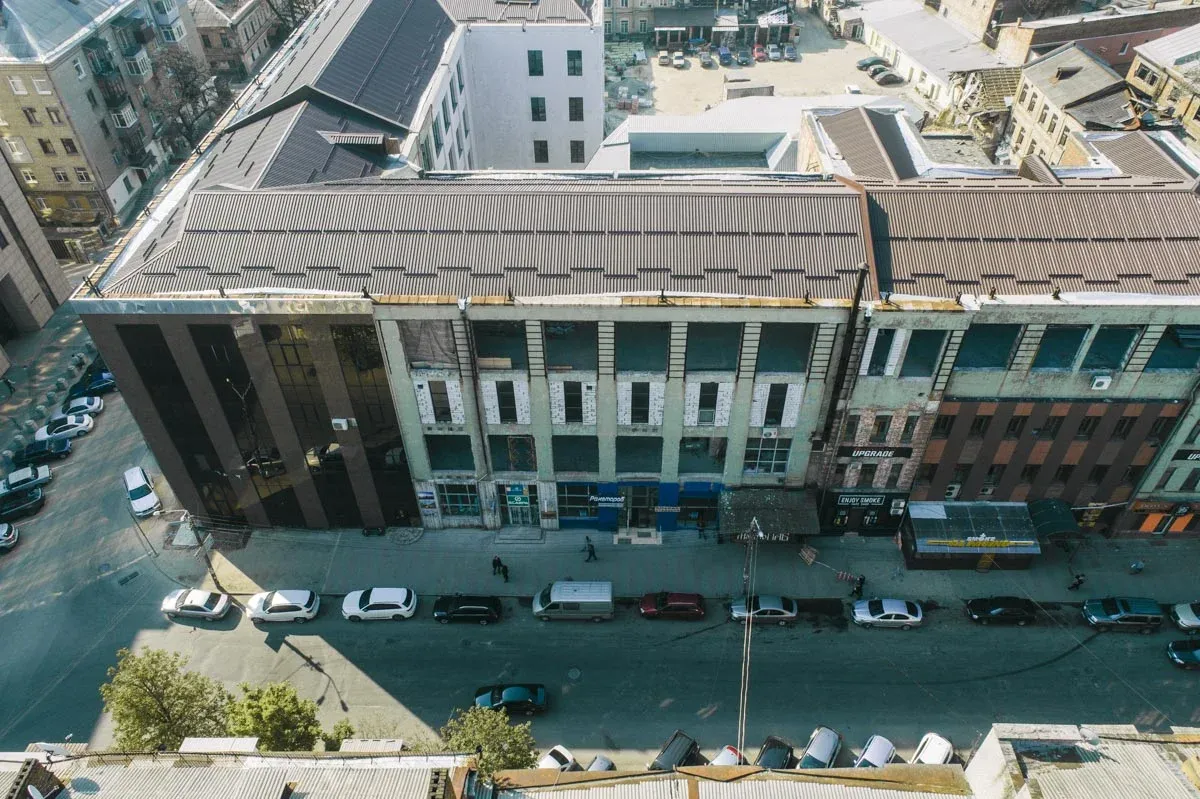
For three decades, one of Europe's historically largest industrial nations built almost no major plants. For an international owner, lender or investor looking at Ukrainian industrial assets today, this single fact explains more about the market than most macro reports — and it has a surprisingly simple financial explanation.
The scheme that built Ukraine's cities
We unpacked this growth mechanism in detail in live revaluation of construction. Development finance in Ukraine follows the same logic as anywhere else. A developer enters a project with a land plot and a relatively modest equity contribution. The land becomes collateral, the bank opens a construction credit line, and the build begins. From there, a growth mechanism takes over: each new percentage of completion raises the asset's value, expands the collateral base and unlocks the next tranche. The project quite literally earns its own financing as it rises.
In Ukraine this model worked flawlessly for decades — for residential complexes, shopping centres and office buildings. Their yields absorbed the local cost of debt and still left the developer a margin.
The arithmetic that never worked for factories
The one parameter that set Ukraine apart was the price of money. The order of magnitude, taken from peaceful 2013 — a mild year by local standards: a new hryvnia loan to a non-financial corporation cost 15.2% per annum on average (National Bank of Ukraine), while euro-area companies were borrowing at 2.94% (ECB, December 2013). A more than fivefold gap.
Residential projects could live with that: a short cycle to sales, predictable demand, and off-plan apartment sales financing the construction as it went. Retail and office centres coped too — rental income starts the day the doors open. An industrial project is built differently. A long investment cycle: design, construction, equipment procurement and installation, commissioning, ramp-up to design capacity — years before the first stable revenue. Expensive internals: process equipment often costs more than the buildings that house it. And margins that in most industries sit below development-sector levels.
At European interest rates the model computes — which is why in the EU and the US construction lending finances industrial facilities as well. At Ukrainian rates the numbers collapsed at the feasibility stage. Capital went where the arithmetic worked: housing, retail, offices.
Thirty years on Soviet-era assets
The consequence is visible on the industrial outskirts of any Ukrainian city. Over thirty-plus years of independence, critically few large industrial and processing plants were built. The country's production base is largely inherited from Soviet times — physically worn and functionally obsolete.
We see it in our own practice. Over more than twenty years, hundreds of industrial properties have passed through our firm — for collateral, revaluation of fixed assets, sale and litigation. The overwhelming majority were Soviet-built workshops and production halls, where only individual equipment lines were new. Modern facilities built from the ground up were rare exceptions — and that is not a sampling bias. They seldom arrived for industrial property valuation simply because they were seldom built.
Unfinished industrial construction is a signature of the era in its own right. Where a stalled residential project usually meant a pause before the next tranche, a stalled industrial one most often meant the end of the story — a project that ran out not of stage financing but of economic sense. Valuation of construction in progress for such assets is never a conversation about the money spent; it is about what the right to complete is worth.
What changes after the war
The war has added physical destruction to functional obsolescence — and removed the question of why build at all: destroyed and outdated capacity will have to be replaced either way. But market credit that did not build factories through thirty peaceful years will not build them now; that arithmetic has not improved.
In our view, industrial reconstruction will require a full restructuring of state financing and lending — through state-owned banks, dedicated reconstruction funds, a workable entry route for foreign investors and a coherent sectoral policy. What that architecture may look like, and where independent valuation fits within it, is the subject of our next article.
For now, one practical takeaway. Every industrial project in Ukraine — completion, reconstruction or greenfield — starts with the same two questions: what is the asset worth today, and does the future plant's economics hold together? The first is answered by valuation, the second by a feasibility study. For thirty years those calculations mostly stopped projects. For the first time in a generation, they are about to start them.
Contact
Let's discuss your task
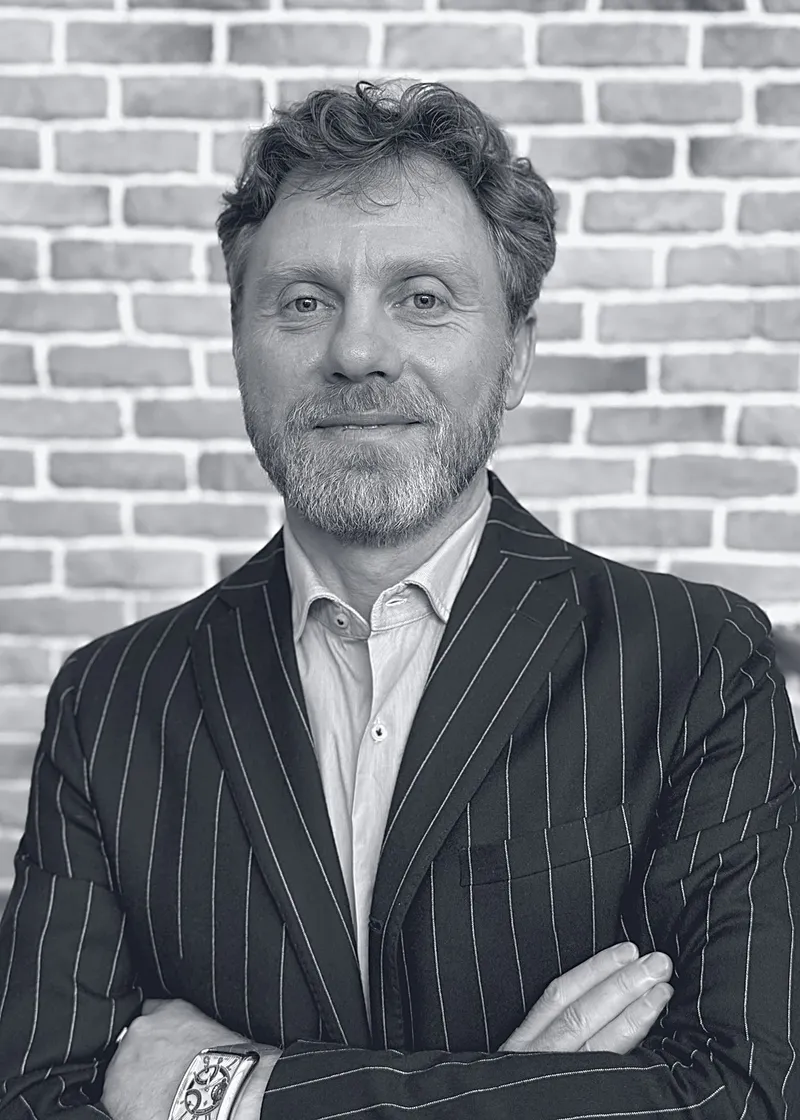
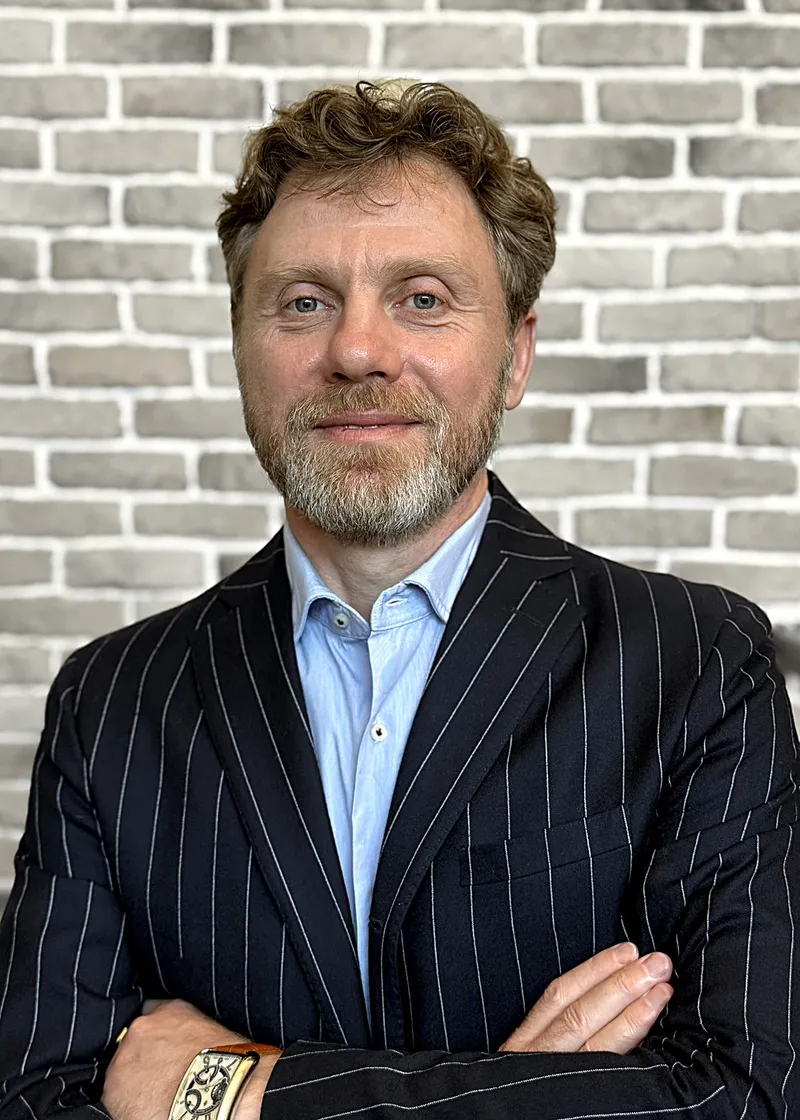
Oleksii Kiselyov · CEO of Kanzas LLC
Write to us by email or messenger — I'll explain how and how soon we can complete the valuation. The initial consultation is free.