
The future Ukraine is a construction site. We say this without pathos, as a statement of engineering fact: part of the country's industrial base no longer exists physically, and most of what survived is functionally obsolete. Both conditions have only one cure — construction. The question is not whether the rebuild happens; it is who finances it and under what rules. For international investors and lenders, that architecture is worth understanding before the cranes move.
Why market credit alone will not do it
In the previous article we showed why, through thirty years of independence, construction lending built Ukraine's cities but not its factories: at the local price of money, an industrial project — with its long cycle and expensive equipment — never computed. The war has not improved that arithmetic: risks are higher, insurance coverage narrower, planning horizons shorter.
Expecting the banking sector to finance industrial reconstruction on ordinary market terms means expecting a scheme that failed to work for thirty calm years to start working in the hardest of times. That does not happen. In our view, rebuilding destroyed plants and replacing outdated ones is impossible without a full restructuring of state financing and lending — first of all through state-owned banks.
Three missing elements
The structure that does not yet exist, but without which construction will not start, has at least three elements.
First — new lending schemes for industrial reconstruction: long money at rates at which an industrial project computes, with risk-sharing mechanisms between the state, the bank and the investor. Dedicated reconstruction financing funds will have to emerge — following the pattern of every major post-war recovery of the twentieth century. Two textbook precedents. In 1948 Germany created the state-owned KfW — Kreditanstalt für Wiederaufbau, literally the "credit institution for reconstruction": it channelled Marshall Plan funds and remains one of the world's largest development banks to this day. In 1954, immediately after the war, South Korea founded the Korea Development Bank, which financed the restoration of destroyed industries and, later, the country's industrialisation. Both institutions were built for the same task the market would not solve: long money for industry.
Second — a workable entry route for foreign investors. Not a declaration of openness, but a clear path: how to enter an asset, how ownership rights are protected, how profits are repatriated, and who independently confirms the asset's value at entry.
Third — a sectoral policy: which industries the country restores first, which it replaces with imports, and which it builds from scratch for new markets.
Who builds what: the division of roles
Within this structure, we expect the roles to divide as follows. New enterprises are the field of private investors: they calculate faster, decide faster and read end-markets better. Strategic enterprises are the responsibility of the state acting through state-owned banks — with two toolsets at once: financing instruments and instruments of control over the use of funds.
The second toolset matters as much as the first. Reconstruction money is taxpayers', donors' and creditors' money, and every one of them will ask where each hryvnia went. Control here is not bureaucratic overhead — it is the condition on which the money arrives at all.
Where independent valuation fits
A reader may ask: what does a valuation firm have to do with all this? Everything described above rests on regularly confirmed value.
A bank will not release a tranche without a collateral valuation — and will revalue at every stage of completion: valuation for lending in industrial reconstruction becomes not a one-off service but a process accompanying the project for years. An investor will not enter an asset without independent verification — legal, financial, technical and valuation-based: due diligence is the language in which international capital speaks to an unfamiliar market. And no fund or state bank will open financing without a document proving the project's economics — a business plan with cash-flow modelling, sensitivity analysis and payback horizons.
Our own track record includes work at the junction of state assets and private construction: in various years we delivered projects following the pattern "valuation of a state asset → feasibility study → development concept with state participation" — from a cottage community on state-enterprise land to office centres and residential complexes in Kyiv. Modest against the scale of the coming rebuild — but it demonstrates the essential point: the mechanism in which the state contributes an asset and the investor contributes capital works when the asset's value is confirmed independently and both sides trust it.
A construction site is a market of discipline
"A country as a construction site" sounds romantic. In practice it is a market of hard financial discipline: money will flow to the projects where asset values are confirmed, the economics are calculated and the use of funds is transparent. All of that is work that begins before the first excavator bucket — and, frankly, we would like our country to have as much of this work as possible.
Contact
Let's discuss your task
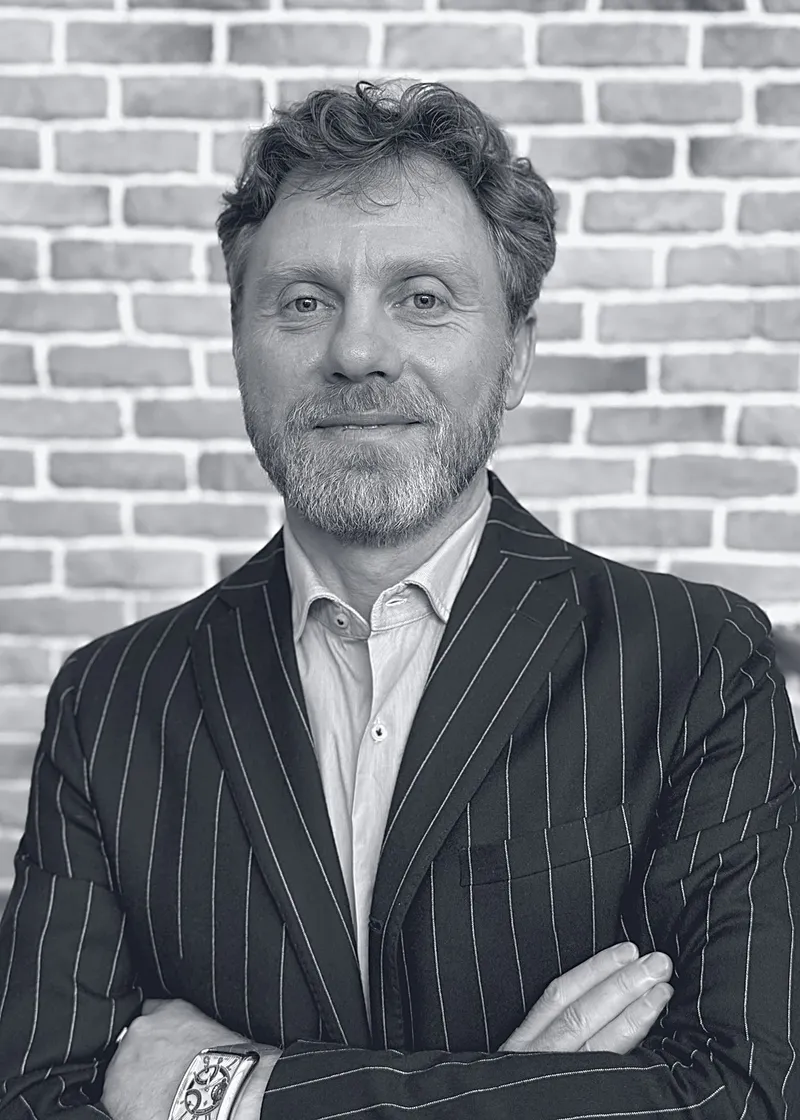
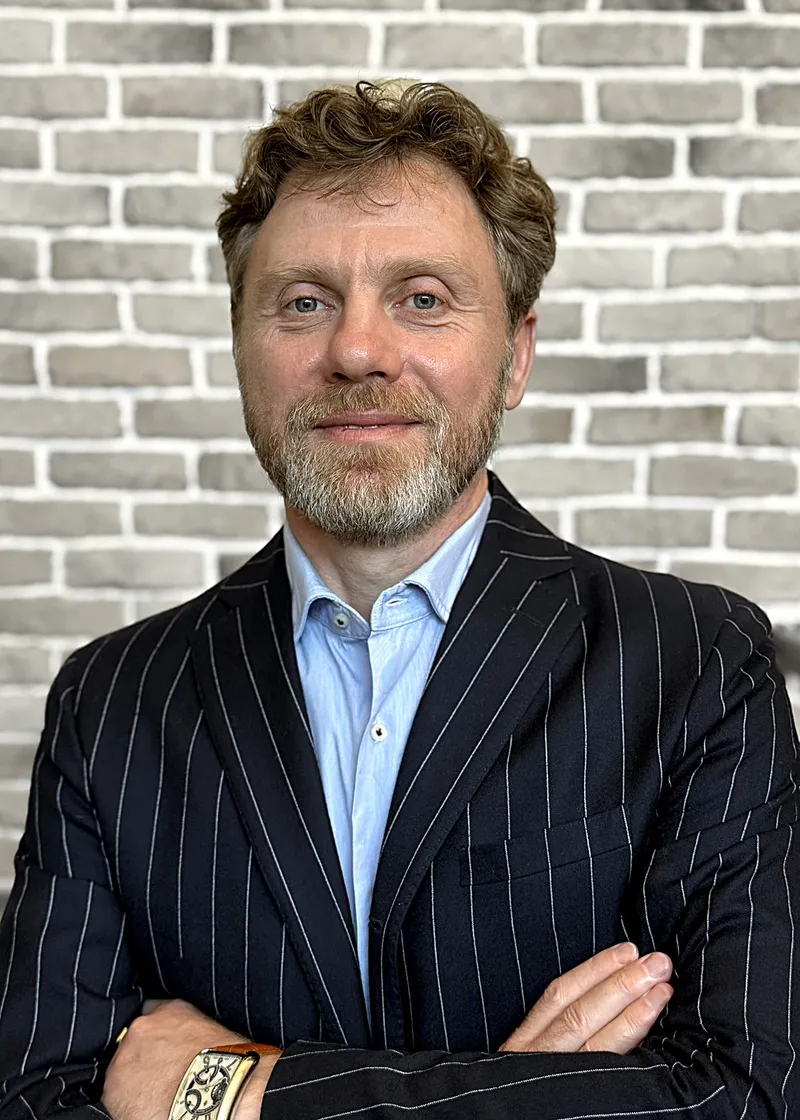
Oleksii Kiselyov · CEO of Kanzas LLC
Write to us by email or messenger — I'll explain how and how soon we can complete the valuation. The initial consultation is free.