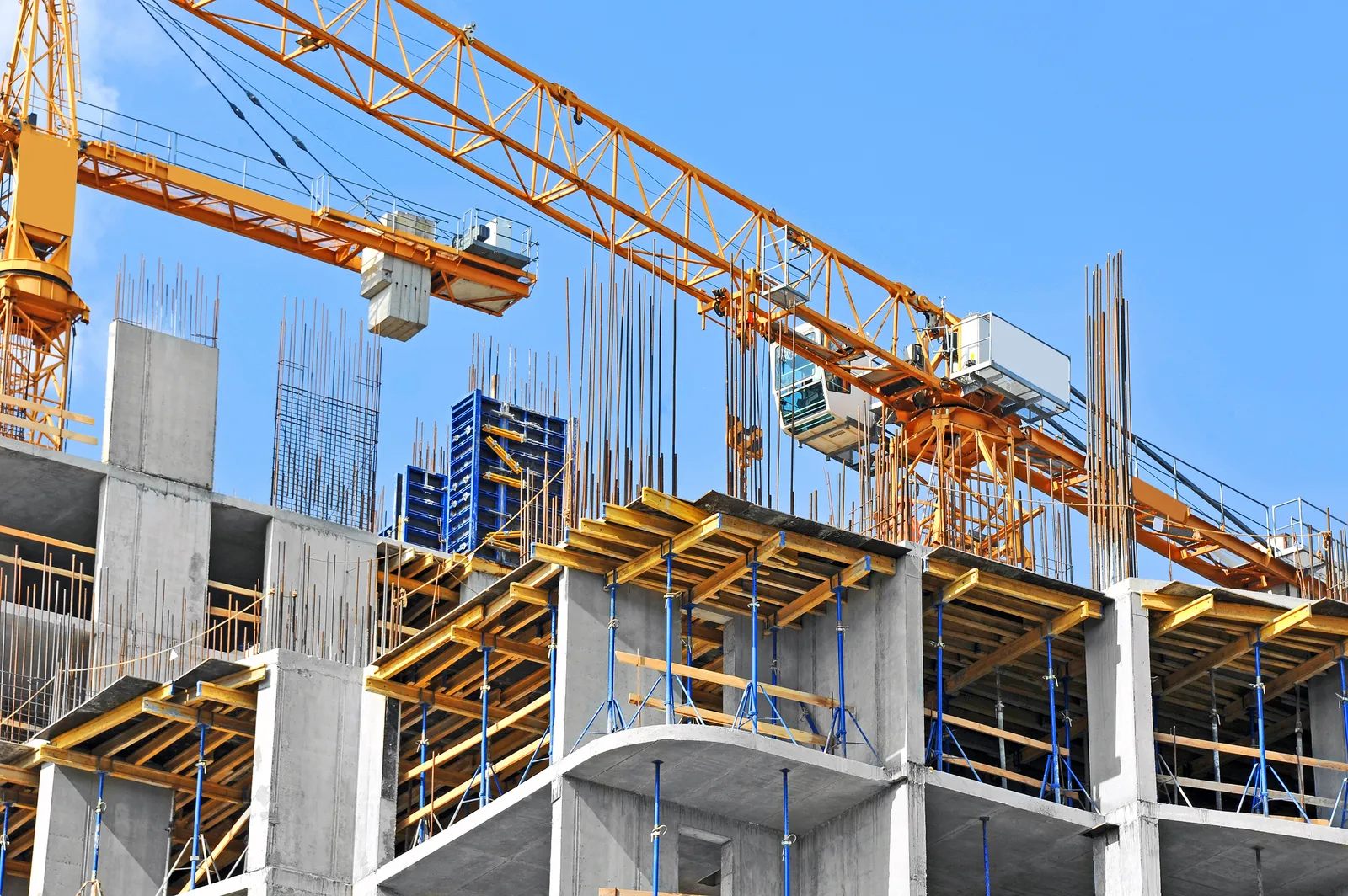
Most collateral leads a dull life: valued once when the loan is issued, then quietly depreciating for years. But there is one type of collateral that behaves the other way around — a building under construction. Yesterday it was an excavation pit, today a frame with floor slabs, a year from now a building under its roof. With every stage the collateral gains value, and both developers and banks in Ukraine long ago learned to put that property to work. The mechanism has a simple name: revaluation as construction readiness grows. Among ourselves we call it "live" — because the object of valuation changes before the valuer's eyes.
How the cycle works
The classic financing scheme for a construction project looks like this. The developer enters with a land plot and an initial equity contribution; the bank opens a credit line. Then the cycle starts: construction readiness has grown — the project is revalued — the collateral value has increased — the bank raises the financing limit. The money goes into the next stage, and a few months later the cycle repeats. The frequency is dictated by the pace of construction and the bank's requirements — anywhere from quarterly to annually.
For the bank, this is a way to finance a large project without taking on all the risk at once: every tranche is secured by value already created, and the valuer's regular site visits double as evidence that work is actually progressing. For the developer, it is a way to build with borrowed money without raising the full amount upfront. Revaluation stops being a formality and becomes a working instrument of the project: the next tranche depends directly on its result.
What the valuer checks on site
The key quantity in the whole cycle is the percentage of construction readiness. An important detail that often surprises clients: the valuer does not determine that percentage independently — it is confirmed by a readiness certificate issued by the Bureau of Technical Inventory (BTI). Without it, construction in progress can only be valued under the cost approach; only with documented readiness can the market approach be properly brought in. So the first piece of advice to a developer is always the same: track your readiness documents as closely as you track the construction itself.
The second recurring theme is land. The plot beneath the project is always valued in a separate report: "the land is included in the price" is a phrase from classified ads, not from valuation practice. And the third layer is the construction in progress itself as a distinct asset: design documentation, permits, works actually performed, conformity of what is built to the design. The tidier this paperwork, the faster each subsequent revaluation runs — and in a "live" cycle, speed has a price.
Who built this way
This model has passed through our practice many times: large residential complexes, shopping and entertainment centres in Kyiv, logistics parks — assets were re-pledged to banks as readiness grew, and every turn of the cycle was accompanied by a full revaluation for lending purposes. Residential projects have a feature of their own: alongside the loan, construction is financed by apartment sales — buyers enter through property rights or targeted bonds, and the pace of those sales directly shapes the project's economics and its need for bank money.
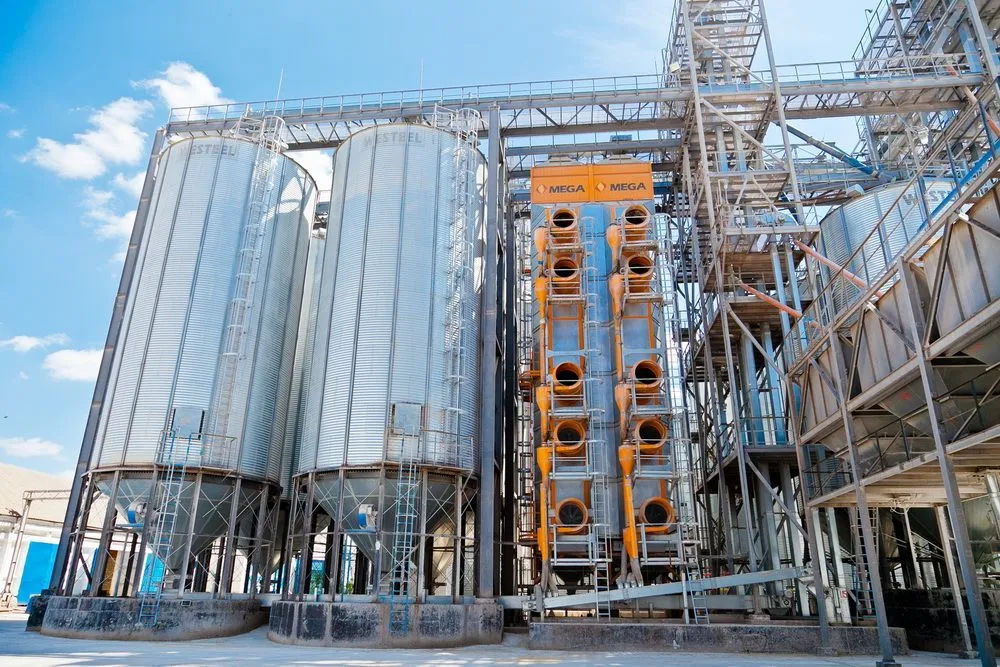
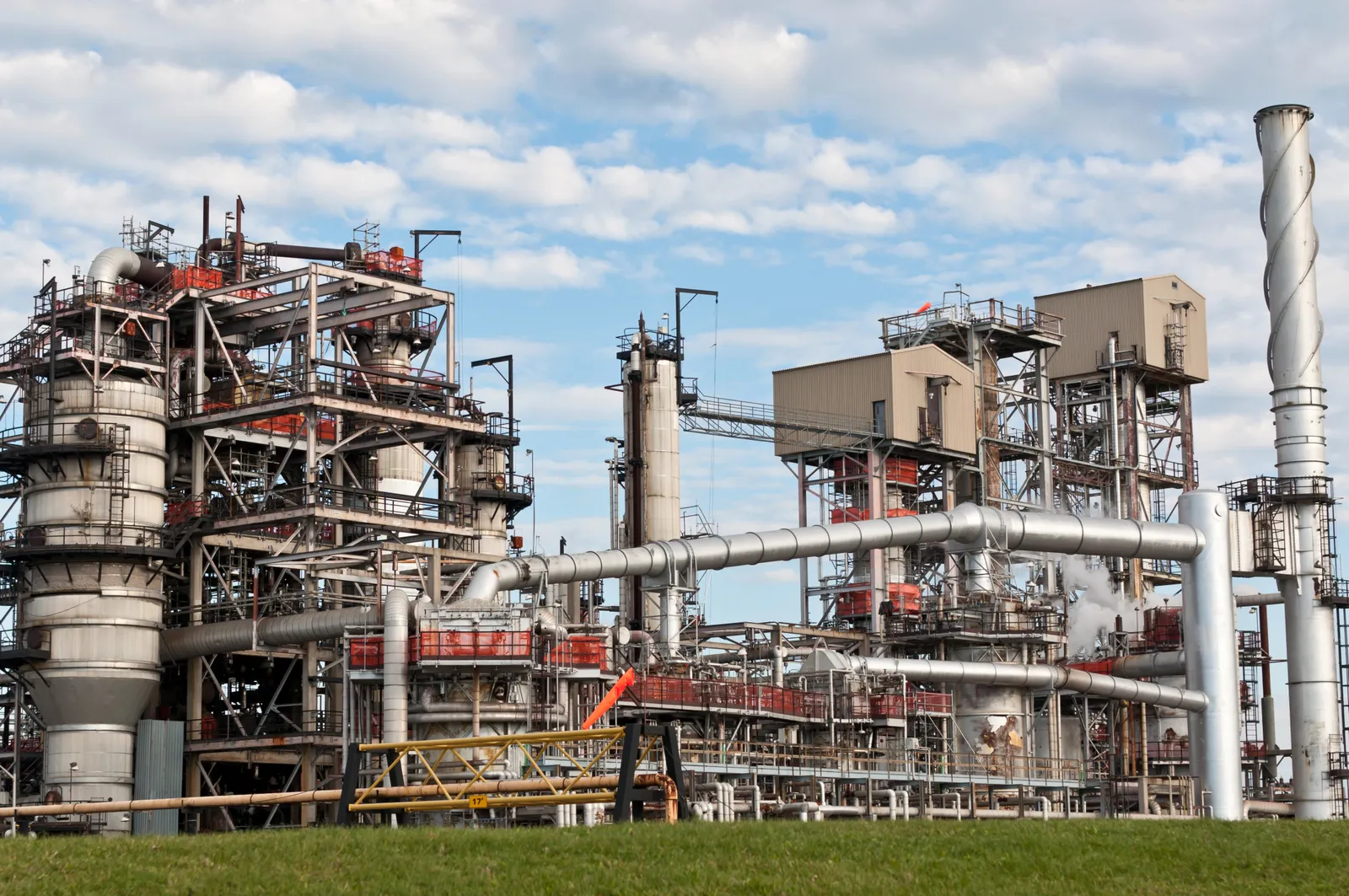
It is telling which assets appeared in this model and which did not. Housing, retail and office centres serviced their debt at Ukrainian lending rates — their yields allowed it. Industrial property was almost never built this way: at local rates its economics did not add up, which is one of the reasons the country saw almost no new plants built in thirty years. That, however, is a subject for a separate conversation.
What matters to the client
A "live" revaluation is a team game played over years: the bank, the developer and the valuer walk the project together, from excavation pit to commissioning. The valuer brings two things to that partnership: methodological consistency — each revaluation must be comparable with the previous one — and fluency in bank requirements, because the report is written in the language of the credit committee. That is how valuation for lending purposes and the regular revaluation of bank collateral work in construction projects in Ukraine — not a one-off number but a continuous line of value growing with the asset. For international lenders and investors entering Ukrainian development projects, that continuous line is precisely what makes the risk legible.
And if construction stops, that is a separate and far less cheerful story: a frozen site also has a value, and that value also has to be proven. Better to think about it early, at the stage when the credit line is still being designed.



Contact
Let's discuss your task
Oleksii Kiselyov · CEO of Kanzas LLC
Write to us by email or messenger — I'll explain how and how soon we can complete the valuation. The initial consultation is free.