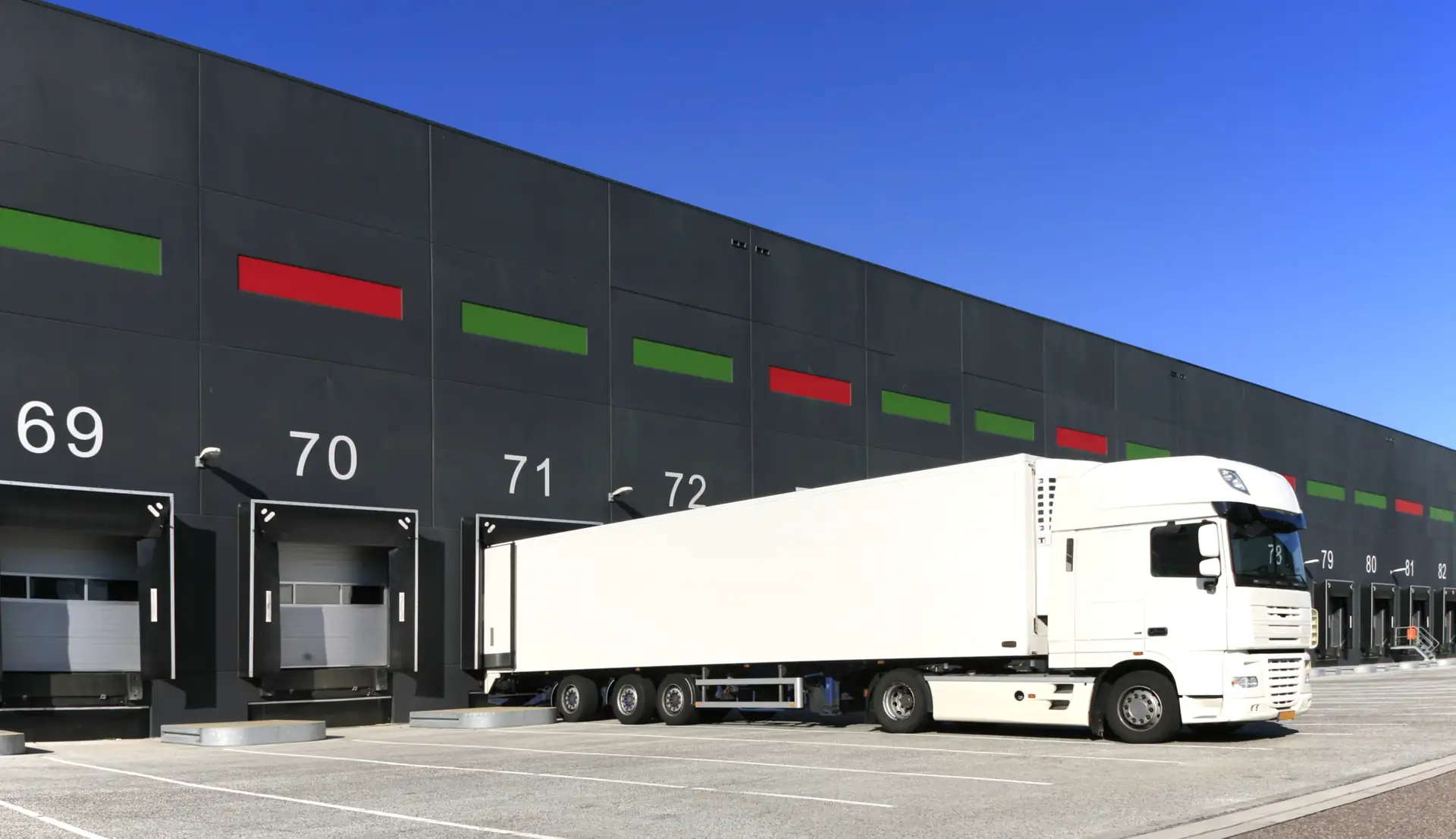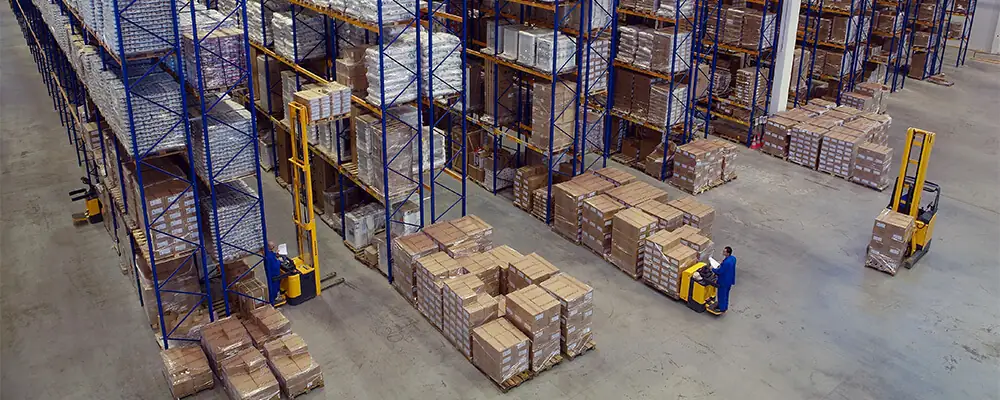
The Kanzas company provides independent warehouse valuation and appraisal services for warehouse property located in Ukraine — from a single storage building in an industrial zone to modern class A distribution facilities. We work for international lenders, logistics operators, manufacturers and investors who need a defensible opinion of value for a Ukrainian warehouse asset.
Most of the warehouse property in our practice has been valued as part of the asset base of manufacturing and trading enterprises — for bank collateral and for fixed asset revaluation. Large logistics facilities have come to us through bank-financed credit projects. That practice has taught us a simple truth of this market: two outwardly similar warehouses can differ in value severalfold once class, clear height and technical fit-out are taken into account.
Warehouse types we value
- capital warehouse buildings and storage blocks;
- steel-frame and prefabricated warehouse structures;
- cold stores, freezer facilities and temperature-controlled warehouses;
- leased warehouse space generating rental income;
- warehouses within the property complex of an operating enterprise.
Where the subject is a complete logistics facility — with land, access infrastructure and handling capacity — this is a separate engagement: see logistics complex valuation.
What drives warehouse value in the Ukrainian market
- warehouse class (A, B, C, D) and year of construction;
- clear ceiling height, column grid and usable storage area;
- loading docks, ramps, crane beams and racking;
- temperature regime — dry, chilled or frozen storage;
- floor load capacity, access roads and rail siding;
- passing rent and occupancy, for income-producing assets.
Purposes of a warehouse appraisal
- Secured lending — valuation and periodic revaluation of warehouse collateral for banks and other lenders;
- Acquisition or sale of warehouse property by an international investor or a Ukrainian subsidiary;
- IFRS reporting — fair value of warehouse assets under IAS 16, IAS 40 and IFRS 13 for group accounts and audit;
- Lease decisions — supporting rental levels for third-party and intra-group leases;
- Corporate purposes — contribution to charter capital, restructuring, disputes involving Ukrainian warehouse assets.
Valuation approaches
Ukrainian national valuation standards are methodologically consistent with the International Valuation Standards (IVS) and apply the same three approaches. For leased warehouse space the income approach usually leads — capitalization of net rental income or discounted cash flow. For specialized facilities without direct market comparables — cold stores, high-bay warehouses — the cost approach (replacement cost less depreciation) often carries the most weight, reconciled against market evidence. Reports for cross-border use are prepared in line with IVS; valuations of Ukrainian assets are performed by state-certified Ukrainian valuers, as the law requires.
Site inspection and documents
Under Ukrainian valuation law a physical inspection is a mandatory stage: the valuer identifies the building on site and records the actual condition of structures and equipment. We coordinate the visit with your local site manager — no client presence in Ukraine is needed.
Typical document set:
- title documents (extract from the State Register of Property Rights);
- technical passport, floor plans and layout;
- land plot documents, where available;
- lease agreements, for income-producing assets;
- book value data for warehouses carried as fixed assets.
Send a short description of the facility to [email protected] — we will come back with a fixed fee and timeline for your specific asset and purpose.
Questions and answers
How much does a warehouse valuation in Ukraine cost? The fee and timeline are quoted once we receive the basic facts — floor area, class, location, available documents — and the purpose of the valuation. Scope and a fixed price are agreed before signing.
How do you value cold storage and other specialized warehouses? Specialized facilities rarely have direct market comparables, so the cost approach typically leads: replacement cost of the building and refrigeration infrastructure less all forms of depreciation, cross-checked against income and market evidence. The temperature regime and its operating economics are reflected in the analysis.
What is the difference between a warehouse valuation and a logistics complex valuation? A warehouse valuation covers an individual building or premises. A logistics complex is valued as a single asset — land, several buildings, access and handling infrastructure, often as an operating business with its own income stream. For such assets, see the separate logistics complex valuation service.
Related services: Inventory and goods-in-turnover valuation · Fixed asset revaluation · War damage assessment