
A dialogue that has been repeating itself in credit departments for years. The owner: "I run a profitable enterprise, here are five years of accounts — take the business as collateral." The bank: "We won't take the business. Let's see what you actually have." The owner leaves feeling the bank does not believe in his company. In reality, the bank has simply given an honest answer to a question the owner never asked: what would you do with my "business" if I stopped paying?
Collateral is what can be taken and sold
The logic of a pledge is simple: if the borrower defaults, the lender forecloses on the collateral, sells it and closes the debt. For that, the collateral must possess one dull but mandatory property: it can be separated from its owner and handed to someone else.
A "business" does not have that property. An operating enterprise is a cash flow that rests on a team, management decisions, relationships with customers and suppliers. Take the "business" away from its owner, and six months later there may be nothing left of that cash flow: key people gone, contracts not renewed, customers scattered. The bank would inherit not a business but a signboard. That is why a lender is interested not in the abstract value of the enterprise but in specific property that will survive a change of owner.
There is a formal side as well: the subject of a pledge must be specific property or property rights — something that can be identified and registered. A "business in general" simply does not fit that frame.
How a plant is pledged: cycle assets plus guarantees
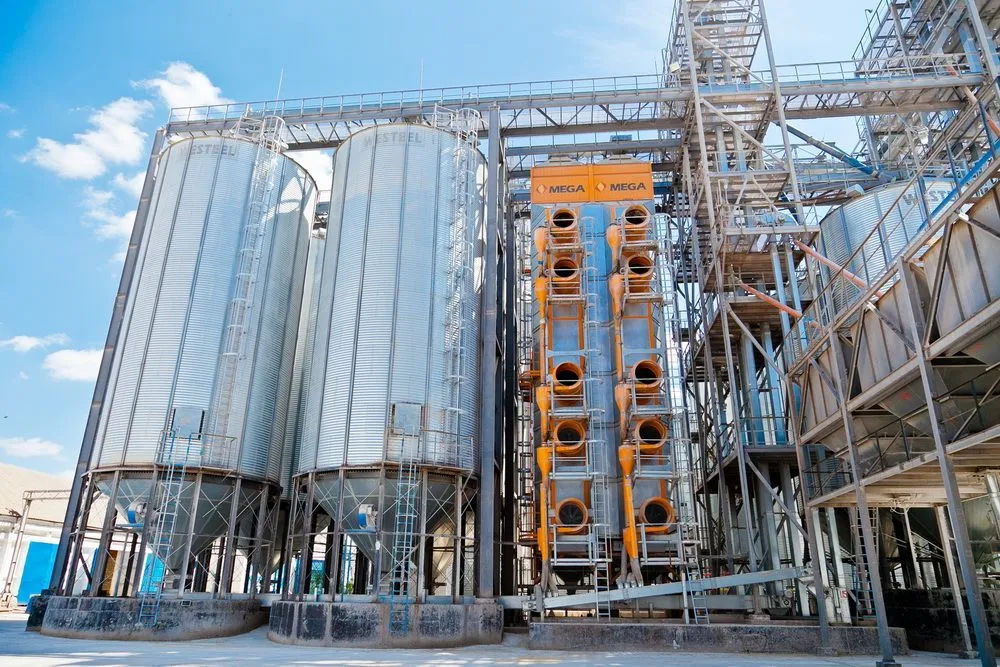
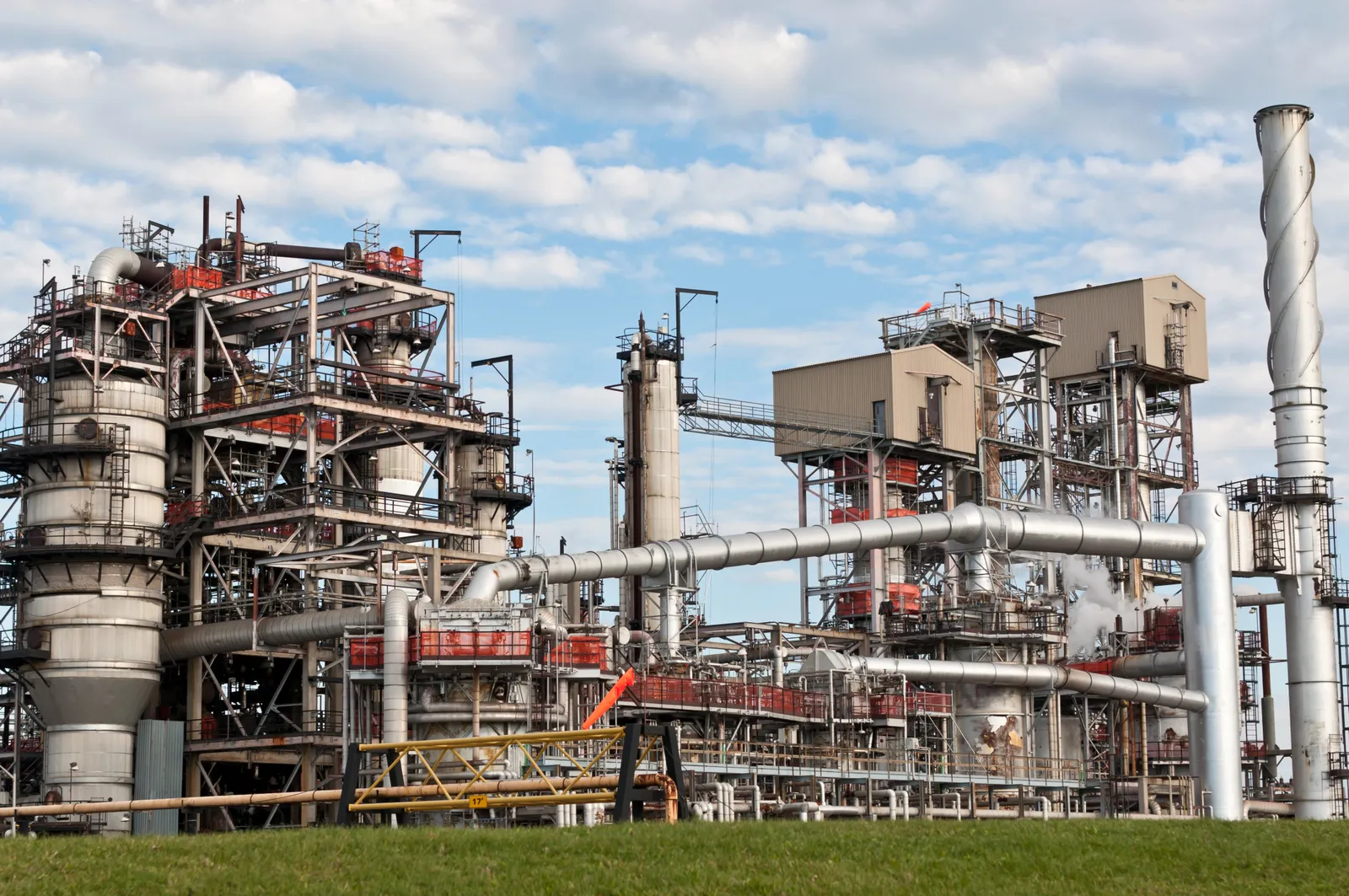
In practice, the task is solved by a long-established pattern. What goes into pledge is the property of the production cycle: real estate, process equipment, vehicles, inventories — everything that physically exists, is registered and can be sold. On top of the asset package come corporate guarantees and suretyships — from the owner, related companies, the group. Together, the bank receives a collateral pool that covers the loan, while the owner keeps running the enterprise.
Within that pool, assets carry different weight. Real estate and equipment are the core of the collateral: both the valuation and the credit committee start there. Inventories and finished goods are taken more cautiously: they are constantly on the move, so the bank applies a larger haircut and requires regular confirmation of balances.
For the borrower this means one simple thing: when pledging a "business", prepare for the assets to be valued one by one. Every position in the collateral pool needs its own value — and here valuation for lending purposes turns into a full-scale project: site inspections, inventory registers, market analysis for each asset class. And since the bank wants its collateral kept current, the story repeats every year through a revaluation of fixed assets — a regular cycle that lives as long as the loan does.
When the loan itself becomes a commodity
The scheme has a sequel that is little known outside banking. A disbursed loan is an asset too: a right of claim against the borrower, secured by collateral. And that asset trades — banks assign loans when cleaning up their balance sheets, and the portfolios of insolvent banks are sold off wholesale.
The buyer of such a claim needs an answer to one question: what is it worth? Here an interesting transformation takes place. To value the right of claim under a loan to a large plant, you must value everything that stands behind it — that same production-cycle property. In our practice, a valuation of rights of claim under loan agreements has more than once turned into a full revaluation of an enterprise's assets: formally the object of valuation is a contract, in substance — the entire plant.
Nor are banks the only clients for such work. A borrower buying back its own debt at a discount. An investor acquiring a loan for the sake of the underlying collateral — there have been cases where the bank itself recommended our company to the client for such a transaction. A party to litigation against a bank, needing an independent value of the claim.
What follows for the owner
The banker's "we don't take businesses as collateral" is not distrust — it is professional hygiene. Once its logic is understood, a loan can be prepared for properly: put the title to real estate and equipment in order in advance, assemble the asset documentation, take a sober view of the collateral pool you can offer. The credit process gets shorter, and the negotiating position stronger. This applies equally to international lenders and investors financing enterprises in Ukraine: an owner who knows the value of the assets before walking into the bank talks to the lender as an equal.


Contact
Let's discuss your task
Oleksii Kiselyov · CEO of Kanzas LLC
Write to us by email or messenger — I'll explain how and how soon we can complete the valuation. The initial consultation is free.