The Kanzas company provides independent valuation of grain and grain products held as inventory in Ukraine. In one of the world's major grain-exporting countries, grain stocks are a working asset class: they secure agri-lending, change hands in trading transactions and sit on the balance sheets of farming groups. International lenders, traders and investors order an independent opinion of market value when those stocks serve as loan collateral, are bought or sold, or are reported under IFRS.
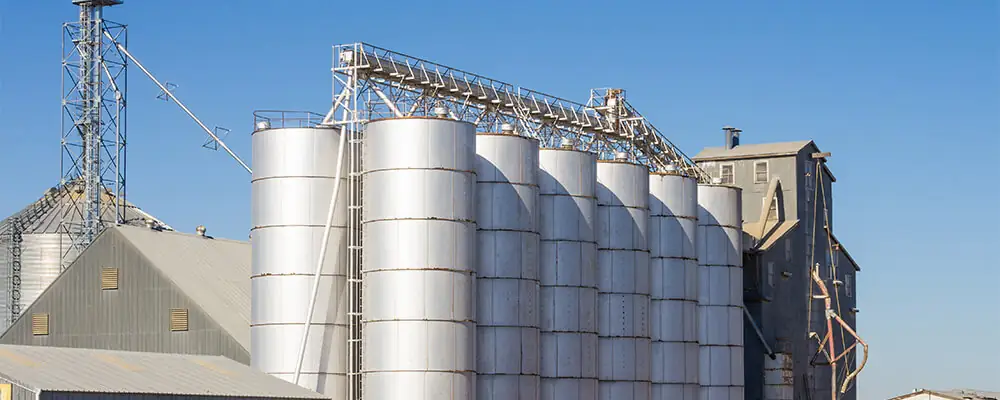
Grain is a classic subject of working-capital collateral in Ukraine: banks lend against stocks held at elevators and warehouses, and our practice includes valuing grain inventories as part of collateral engagements for agricultural enterprises and elevator complexes.
Grain and grain products we value
- cereal crops: wheat, corn, barley, rye;
- oilseeds: sunflower, soybean, rapeseed;
- pulses;
- processed products: flour, groats, meal and mixed feed;
- commercial grain lots at elevators, flat storage and reserve facilities.
A standing crop before harvest is a biological asset, not inventory — see the separate biological asset valuation service.
Why international clients order grain valuations in Ukraine
- Collateral for agri-lending — grain stocks pledged to banks and trade finance providers, including periodic revaluation over the lending cycle;
- Trading transactions — purchase and sale of commercial lots, settlement of disputes over shortage or quality-related discounts;
- IFRS reporting — inventory measurement for group accounts under IAS 2, with the boundary against IAS 41 biological assets kept clean;
- Corporate purposes — contribution to charter capital, restructuring of agricultural groups, court and enforcement proceedings in Ukraine.
What drives the value of a grain lot
- crop and intended use — milling, feed or seed grain;
- class and quality metrics: test weight, moisture, impurities, protein content or oil content;
- lot volume and storage conditions;
- place and method of storage — elevator or flat store;
- current market conditions and price seasonality.
Methodology
Grain is valued as inventory primarily under the sales comparison approach of the Ukrainian national standards, consistent with the International Valuation Standards (IVS): the value is derived from market and exchange prices for the relevant crop, class and region, adjusted for quality, volume and storage terms. The cost approach plays a supporting role for certain processed products. For financial reporting the result is aligned with the inventory measurement rules the auditors will apply.
Identifying the lot: inspection and documents
Ukrainian valuation law requires the valuer to identify the lot at the place of storage — at the elevator or warehouse — reconciling volume, condition and laboratory quality data. We arrange the site visit with the storage operator; the client does not need to be present in Ukraine.
Typical document set:
- warehouse documents: warehouse receipts and quantity-quality ledger cards;
- laboratory quality certificates for the grain;
- documents confirming title to the lot;
- book value data for the inventory.
Send the lot parameters and the purpose of the valuation to [email protected] — we will quote a fixed fee and timeline. More than 20 years of work with agricultural assets in Ukraine stand behind reports that hold up before banks and auditors.
Questions and answers
How much does a grain valuation in Ukraine cost? The fee and timeline are quoted once you send the lot data — crop, volume, place of storage, quality metrics — and the purpose of the valuation. Scope and a fixed price are agreed before signing.
Do you assess grain quality? No. Grain quality testing is the domain of certified laboratories. We determine the market value of the lot on the basis of the quality certificates provided: laboratory figures for moisture, impurities, protein or oil content feed the market adjustments to the price per tonne.
Can grain stored at an elevator be valued as loan collateral? Yes — this is the most common engagement. We value commercial grain lots at elevators and warehouses for pledge under credit facilities, reconciling the volume against warehouse receipts and quantity-quality records, and can repeat the valuation periodically over the life of the facility.
Related services: Valuation for secured lending · War damage assessment · Fixed asset revaluation