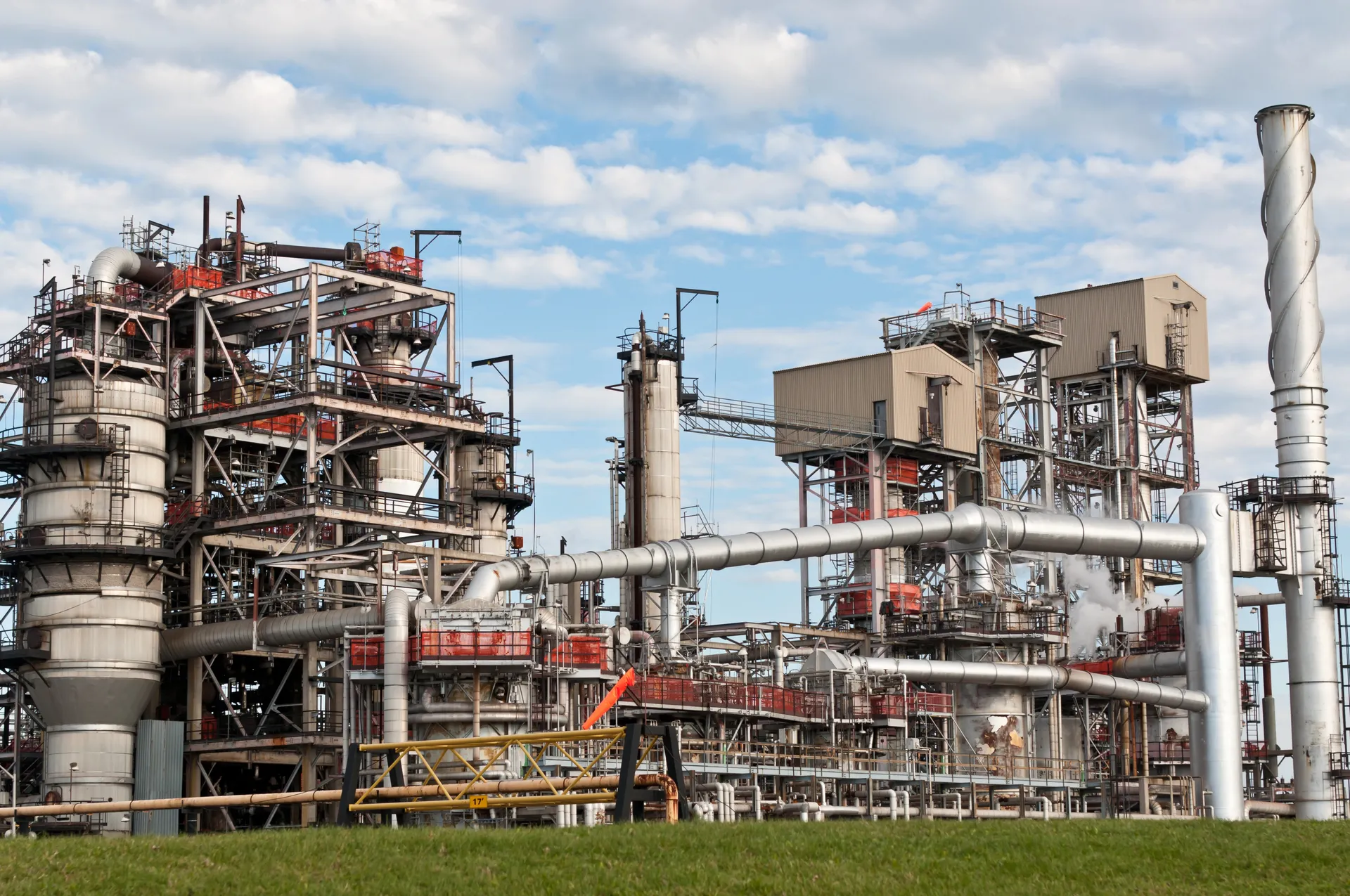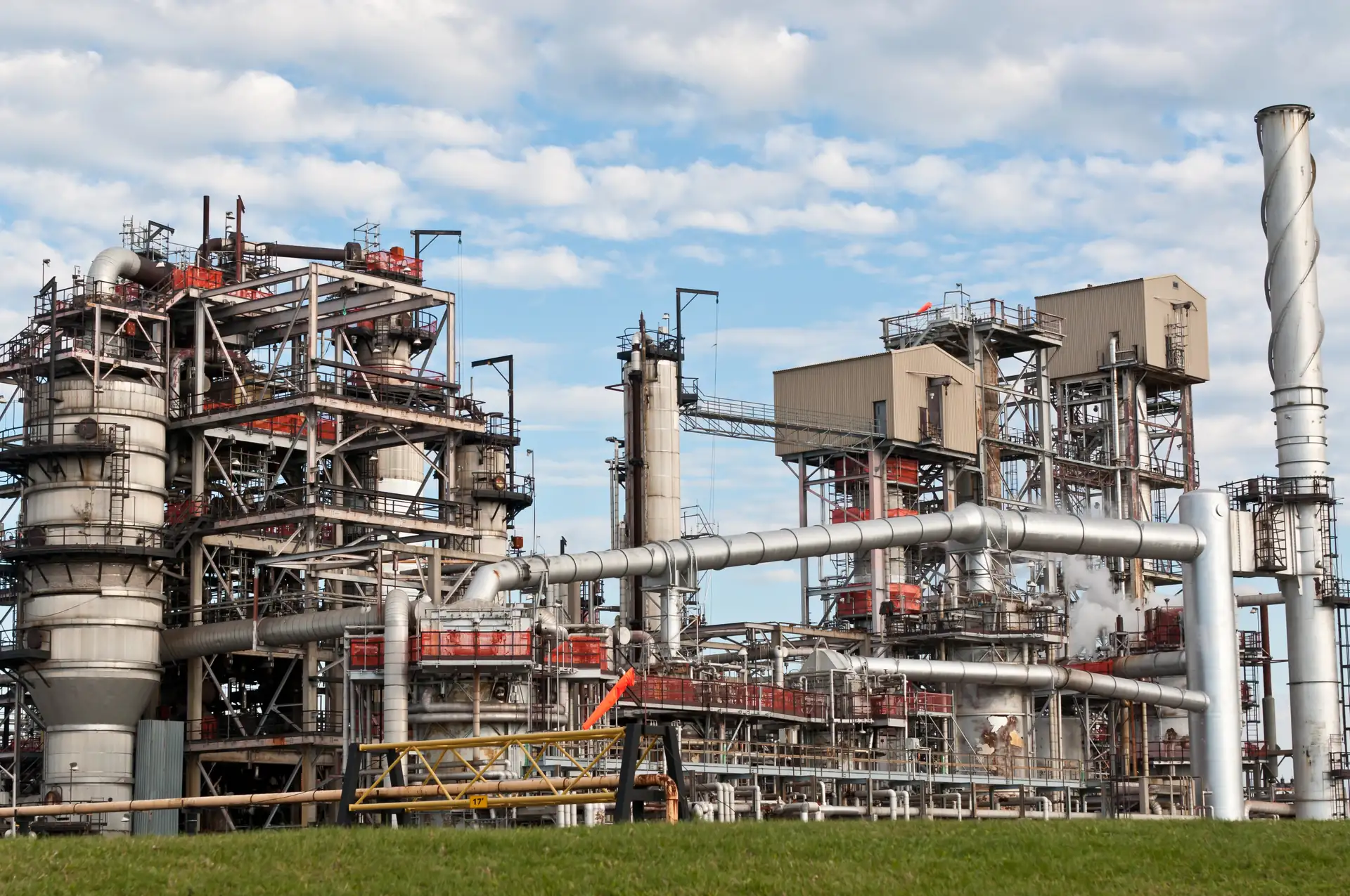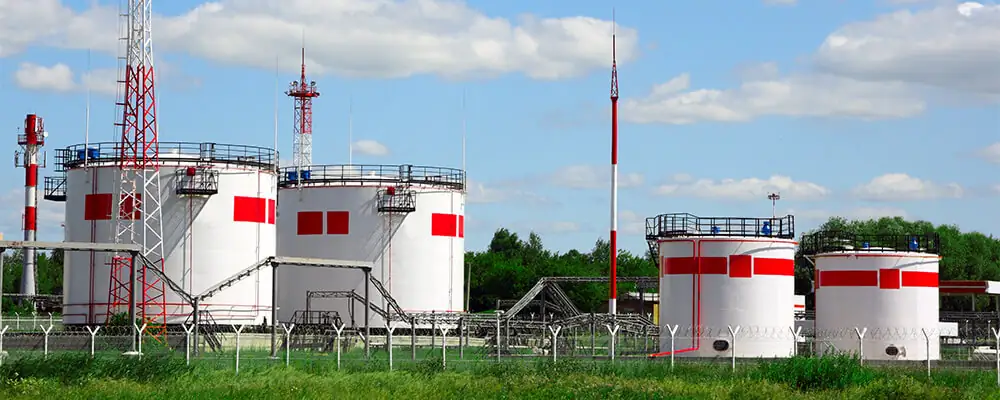
An oil depot is one of the few assets with two distinct identities in valuation. For one client it is real estate: a land plot, a tank farm, loading racks and buildings. For another it is an operating business that receives, stores and dispatches petroleum products under a fuel storage licence, with staff and a contract base. Which identity applies determines the valuation approaches — and the resulting value, which can differ severalfold.
Real estate or a going concern
Where the subject of a transaction or pledge is the physical assets — tanks, rail and truck loading racks, pump stations, laboratory and administrative buildings — the depot is valued as real estate and equipment. Where an operating terminal is valued as a business, with income from storage and transshipment, a valid licence and client contracts, the subject becomes a going concern. A mothballed depot without a licence or turnover is specialised property whose value is driven by asset condition and the cost of restarting operations; an operating terminal with steady throughput is an income-producing asset.
What drives the value
Key factors include tank farm capacity and technical condition, receiving and dispatch infrastructure (rail rack, truck loading, metering units), the fuel storage licence and excise warehouse status, environmental and fire safety compliance, and location within the logistics network. For an operating terminal, capacity utilisation, storage and transshipment tariffs and the structure of the contract base are added to the analysis. Ukraine's network of depots was built over decades and facilities vary widely in condition, so an on-site inspection by the valuer is a mandatory stage of every engagement.
Approach and standards
Valuations are performed to International Valuation Standards (IVS) alongside Ukrainian national standards. Market comparables for oil depots are scarce, so for operating terminals the income approach is the primary basis — value is driven by the cash flow from storage and transshipment services; the cost approach applies to specialised property. Engagements are led by professionals certified by the State Property Fund of Ukraine, and our work in the fuel sector includes recurring valuations of retail and storage infrastructure for banking purposes, alongside extensive commercial and industrial property valuations for lending, collateral revaluation, sale and contribution to charter capital.
Purposes
Typical purposes for international owners, lenders and investors with assets in Ukraine: lending and collateral revaluation, acquisition or disposal, financial reporting under IFRS, court proceedings, and war damage assessment under the officially approved Ukrainian methodology.
Tell us about the facility — write to [email protected] and we will respond with a scope of work, a fixed fee and a timeline before any engagement is signed.
Related services: Valuation for lending · Collateral revaluation for banks · War damage assessment · Due Diligence