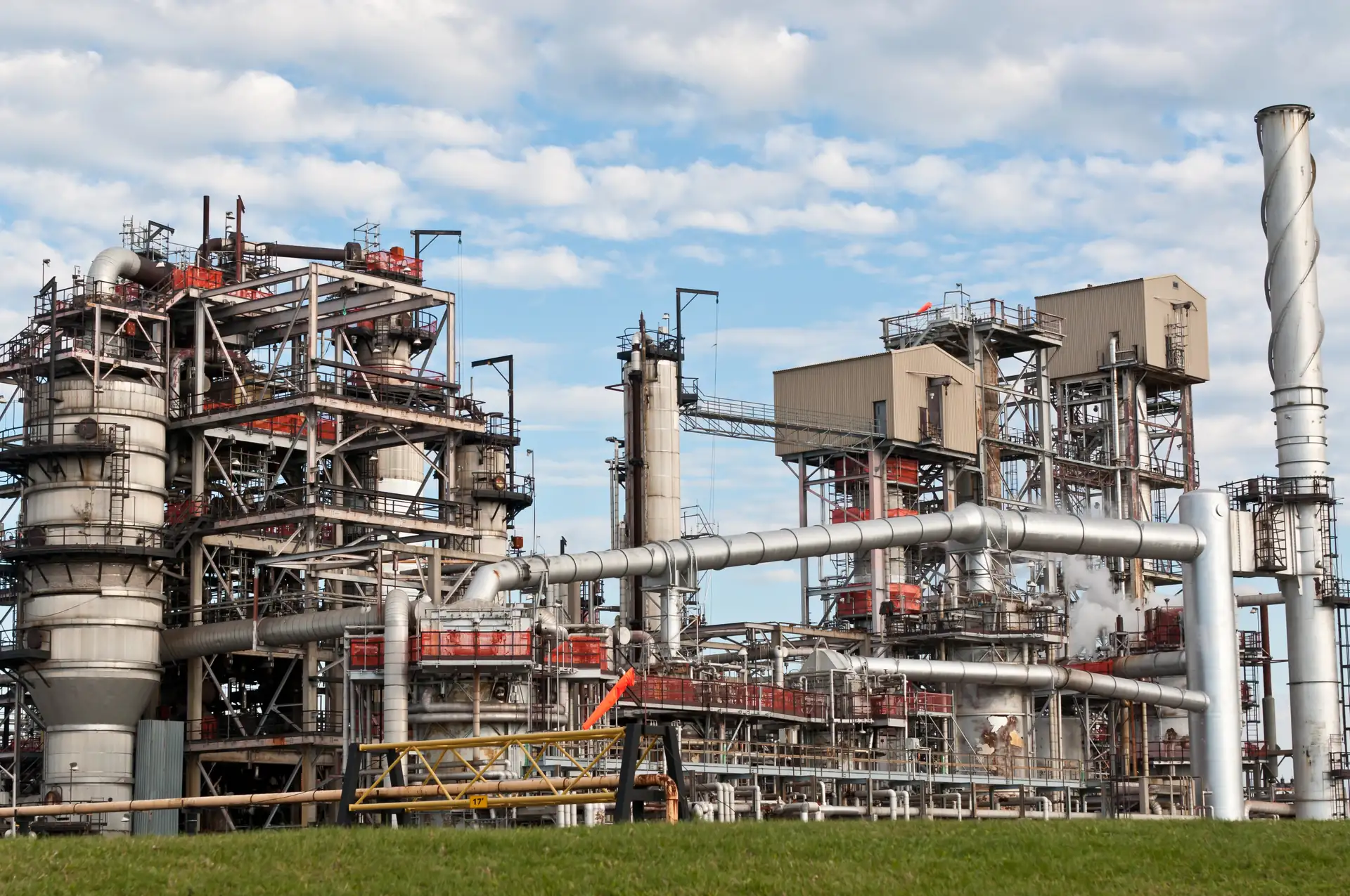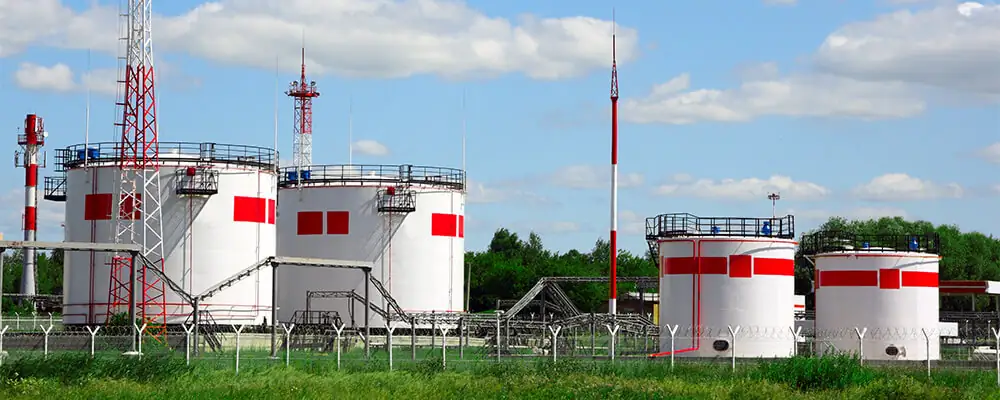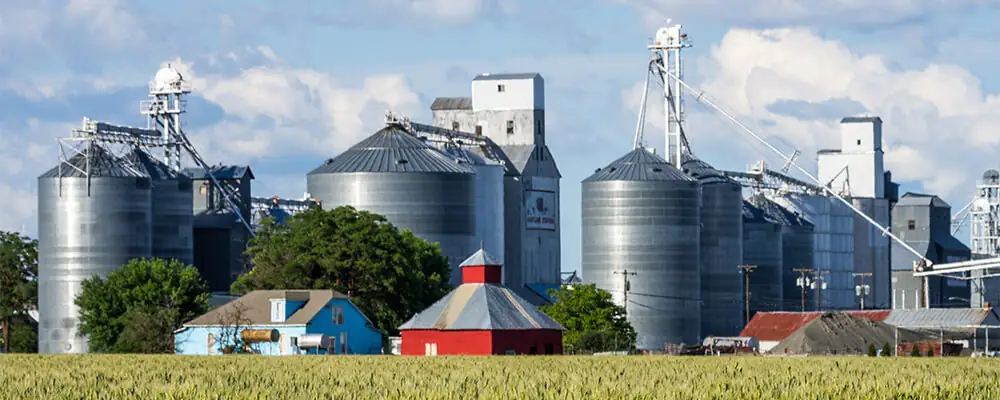
Grain elevators sit at the intersection of industrial real estate, technological equipment and agribusiness — and no other Ukrainian asset class has seen its pricing change as radically during the war. The value of a grain elevator is defined by its storage capacity in tonnes, and the market prices these facilities per tonne of storage — a benchmark that has fallen substantially in recent years. A transaction price from even two years ago says little about what a facility is worth today, which makes an independent, current valuation essential for any acquisition, financing or dispute.
The Kanzas company values grain elevators and storage facilities across Ukraine — as going concerns, as real estate and equipment complexes, or as collateral — for owners, buyers, lenders and international investors.
When a grain elevator valuation or appraisal is required
- acquisition or disposal of an elevator or elevator complex;
- bank financing secured by the facility;
- revaluation of fixed assets for financial reporting, including IFRS;
- contribution of assets to charter capital, including foreign corporate structures;
- lease of an integral property complex;
- court proceedings and division of assets between owners;
- assessment of war damage;
- insurance of the property complex.
Types of elevators and what the valuer takes into account
Elevator facilities differ in capacity, in the commodity stored, in construction materials and in storage technology — flat (horizontal) storage versus vertical silo storage. The market includes modern full-cycle complexes — intake, cleaning, drying, storage and dispatch — alongside Soviet-era facilities: flat storage warehouses (single-storey buildings whose capacity is effectively defined by floor area) and monolithic rectangular concrete silo blocks. The generation of technology largely determines scale: Soviet-era facilities typically hold 5,000–15,000 tonnes, and 30,000 tonnes is already large for flat storage, while modern silo complexes were built for 50,000–100,000 tonnes and more. Feed mills and flour milling plants form a separate group of large, mostly urban complexes. The valuer also takes into account auxiliary buildings and infrastructure: a railway spur, access roads, utilities, and the presence of a certified grain quality laboratory — a recognised market advantage.
Per-tonne market benchmarks
The market prices elevators per tonne of storage capacity — a market-driven indicator, not a regulatory norm. Before the full-scale war, flat storage facilities traded at roughly USD 90–100 per tonne of storage and modern silo complexes at USD 150–180. Today flat storage elevators are valued at around USD 50 per tonne on average, and silo complex values have declined correspondingly. Adjustments to the benchmark reflect the condition of the equipment, the commodity stored, construction materials, infrastructure and laboratory certification.
Why elevator values have changed in wartime
Several factors act simultaneously. Part of the country's elevator stock is located in frontline regions, and many facilities — both Soviet-era and modern — have been damaged. In 2022–2023, while seaborne exports were blocked, polymer grain-bag storage spread rapidly as a far cheaper option for farmers; producers who previously stored, cleaned and dried their crops at agriholding elevators switched to on-farm storage, and the pre-war shortage of elevator capacity evaporated. Large complexes of 50,000–100,000+ tonnes now effectively stand idle unless their owners fill them with their own grain. Finally, transshipment flows have returned to the major ports, leaving small river elevators loss-making unless they serve their own holding's or trader's needs.
A recent engagement illustrates the point: a client acquired a small flat storage elevator with a railway spur and port access, and our independent valuation came in at roughly one third of the recent purchase price — wartime market conditions had shifted that quickly. For any elevator transaction, a current independent valuation is not a formality but protection against overpaying by tens of percent, and sometimes by multiples.
Valuation approaches
An operating elevator complex is valued as an integral property complex under Ukrainian national valuation standards, applying the comparative (market) approach — anchored to the per-tonne benchmark and comparable transactions; the income approach — modelling revenue from grain intake, cleaning, drying and storage for the owner and third parties; and the asset-based approach, used in particular for collateral purposes and idle facilities. Where the subject is limited to buildings and structures or to equipment alone, the scope of approaches and methods is adjusted accordingly.
How the engagement is carried out
After the purpose and scope are agreed and the contract signed, a mandatory stage under Ukrainian valuation law is the valuer's site visit for personal inspection and identification of the facility — the actual condition of silos or warehouses, equipment and infrastructure directly affects the conclusion of value. The valuer then analyses the grain storage market, performs the calculations and issues a valuation report that is fully valid for banks, courts and state authorities in Ukraine.
Our experience
The Kanzas company has been valuing elevators of all generations for more than 20 years — from Soviet-era flat storage facilities to modern silo complexes. Our track record includes the valuation of elevator complexes of one of Ukraine's largest agriholdings, each with a capacity of over 100,000 tonnes, and the revaluation of elevators as collateral for several banks simultaneously. We have also valued Ukrainian agricultural enterprises whose assets — including elevators — were contributed to the charter capital of newly established US companies, with the reports submitted to the US tax authorities. Our practice spans the Sumy, Poltava, Donetsk, Zhytomyr, Mykolaiv and Kyiv regions, and our team includes appraisers holding international valuation certificates.
Questions and answers
How does a port elevator differ from an inland one? In function and revenue model: an inland elevator earns on grain intake, cleaning, drying and storage, while a port elevator earns on continuous transshipment. The valuation methodology is the same — only the cash flow modelling differs.
Can you value only the equipment? Yes, technological lines can be valued separately as elevator equipment — for collateral, transactions or fixed asset revaluations.
Do you value the grain stored at the facility? Yes, grain valuation as inventory is a separate service of ours, used in particular for collateral purposes.
The elevator has been damaged by military action — can you assess the losses? Yes. War damage assessment is a separate practice area of ours, including lost profit calculations.
How much does a grain elevator valuation cost? The fee depends on the scale of the facility, the purpose of the valuation and the completeness of the documentation. After a short initial consultation we will quote a firm price and delivery timeline.
Whether you are buying, selling or financing an elevator, we value your time: we schedule the inspection quickly and dig into the specifics of your particular facility. To discuss your project, email us or message us via your preferred messenger.