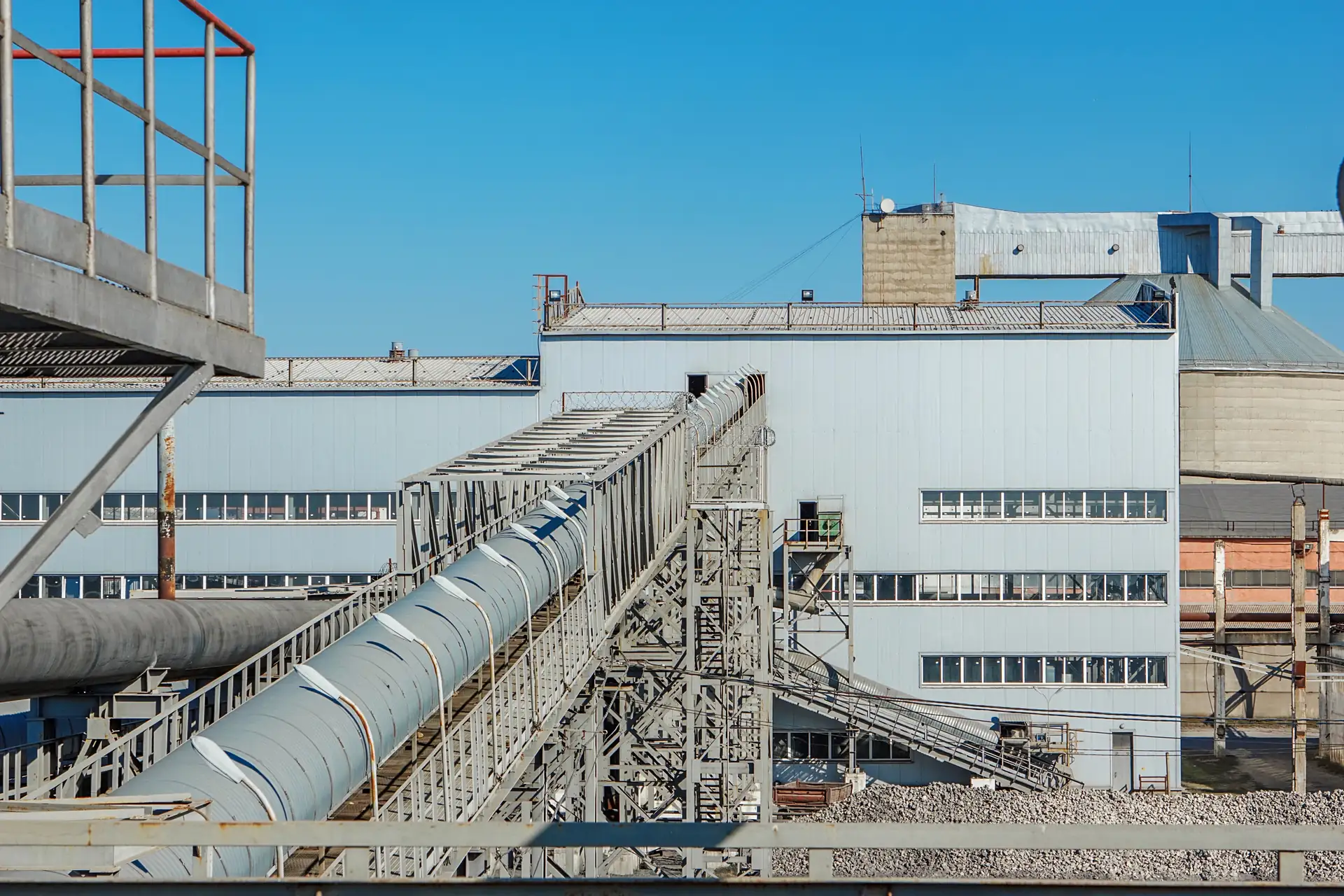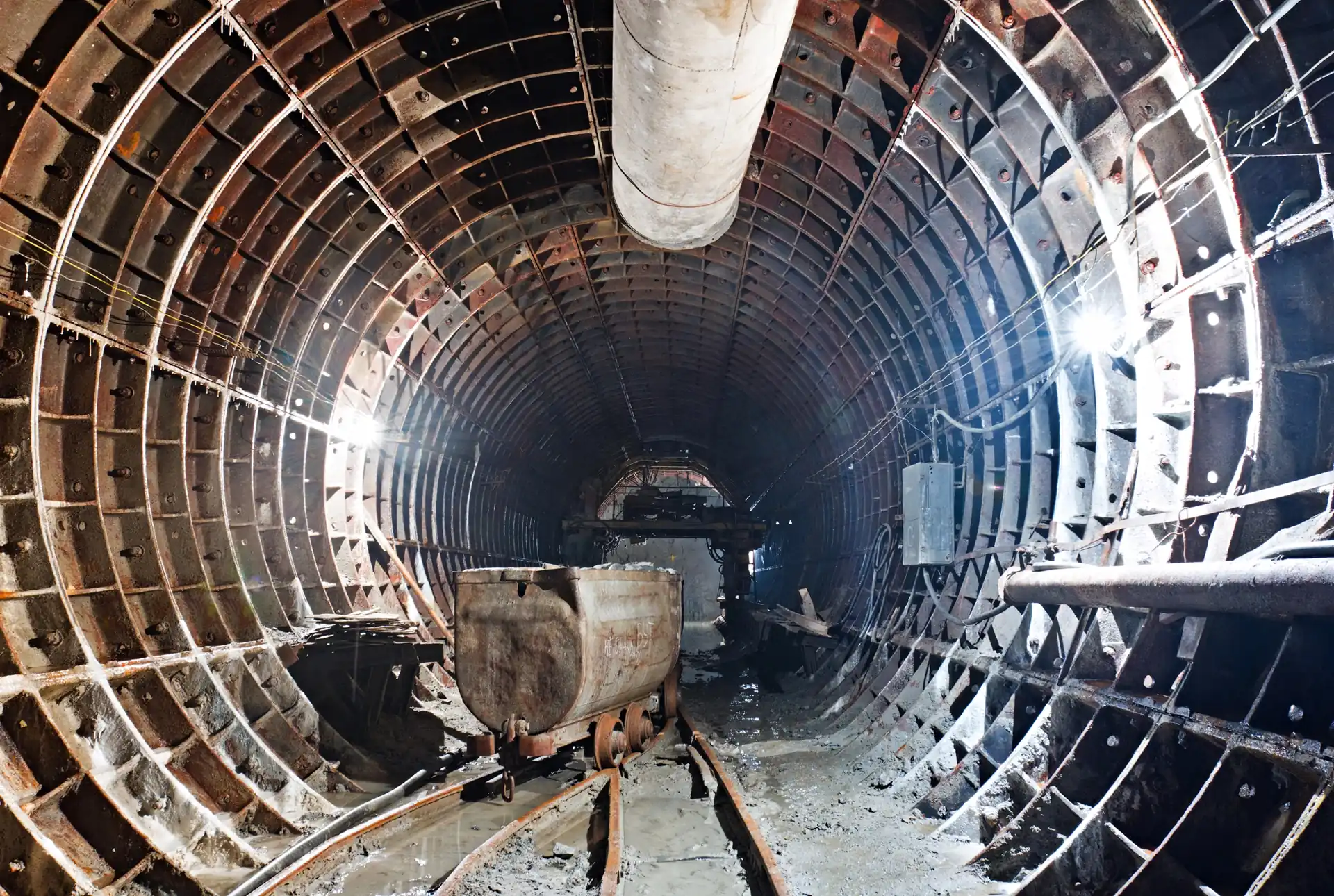
A metro system is a singular engineering complex: rolling stock, escalator facilities, traction power supply, signalling, ventilation and station services. Independent appraisal of metro and underground equipment is ordered for fixed asset valuation and fair value reporting, inventory and write-off decisions, insurance, and modernisation or procurement projects. The Kanzas company has direct engagement experience in this asset class: among completed works is the appraisal of metro equipment for financial accounting purposes — bringing the carrying value of fixed assets to fair value.
Who orders a metro equipment appraisal
Clients include municipal metro operators, contractors and service organisations, and entities accounting for transit infrastructure — including projects with international financing, where asset registers and fair values must withstand external audit. Typical purposes: revaluation of fixed assets under national accounting standards or International Financial Reporting Standards (IFRS); determination of fair value for the balance sheet; appraisal before write-off or capital repair; insurance; documentation of losses from damage, including damage caused by military action. The anchor engagement of our practice was precisely of this kind: metro equipment appraised to align the carrying value of fixed assets with fair value.
Equipment groups covered by the appraisal
Metro cars and their electrical equipment; escalators and passenger conveyors; traction substations and the contact network; signalling, interlocking and blocking systems; tunnel ventilation and drainage; station engineering services; communication and dispatch systems. Each group has its own normative service life and wear profile — from intensively operated escalators to stationary electrotechnical installations — and is treated as a separate fixed asset group in the appraisal.
Why the cost approach dominates for transit infrastructure
Underground transit equipment rarely has a secondary market: it is specialised and often built for a specific project. The defining approach is therefore the cost approach — replacement cost of a modern equivalent less physical deterioration and functional obsolescence. For intensively wearing items (escalator steps and drives, car bogies and components), operating hours and the date of the last capital repair are critical; for electrotechnical equipment, obsolescence of control systems is assessed. The market (comparative) approach applies where market analogues exist — standard electrical equipment and serial components; the income approach is generally not applicable given the non-commercial nature of the asset. Reports follow Ukrainian national valuation standards, methodologically consistent with International Valuation Standards (IVS); the team includes valuers holding RICS and TEGoVA (REV) certifications.
Inspection and identification
Ukrainian law requires physical inspection and identification of the assets by the valuer: inventory numbers are verified, and actual condition and completeness are documented against technical records. For large infrastructure inventories the work is organised by asset groups with the operator's engineering services, and the identification records form part of the evidence file behind the concluded values.
Questions and answers
Can metro equipment be appraised for IFRS financial reporting? Yes — this is one of the principal purposes, and exactly the engagement we have performed: an independent appraisal used to revalue fixed assets and bring carrying values to fair value.
Which valuation approach is primary for such equipment? The cost approach — replacement cost less depreciation — because a secondary market for specialised underground infrastructure equipment is practically non-existent.
Can individual asset groups, such as escalators or substations, be valued separately? Yes. Each group — rolling stock, escalator facilities, traction power, signalling — is a distinct fixed asset group and can be appraised separately for accounting, insurance or repair decisions.
How much does a metro equipment appraisal cost? We quote the fee and timeline after receiving the equipment list with technical specifications and the purpose of the appraisal. Based on this, we assess the scope and agree a fixed price and schedule — before the contract is signed.
Send us your asset list by email at [email protected] or via messenger — we will respond with a scoped proposal, and the agreed deadlines will be met.
Similar appraisal objects
- Machinery and equipment appraisal
- Railcar and rolling stock appraisal
- Combined heat and power plant equipment
Related services: Fixed asset revaluation · Valuation for IFRS reporting