A tractor is a base traction machine: its role — and part of its value — is defined by the mounted and trailed attachments it works with. The same tractor can serve in the field, on municipal duties or on a construction site, so a credible tractor valuation separates the value of the machine itself from the value of its interchangeable equipment. The Kanzas company appraises tractors of all types and power classes located in Ukraine — individually or within the fleet of a farm or enterprise.
Tractors we appraise
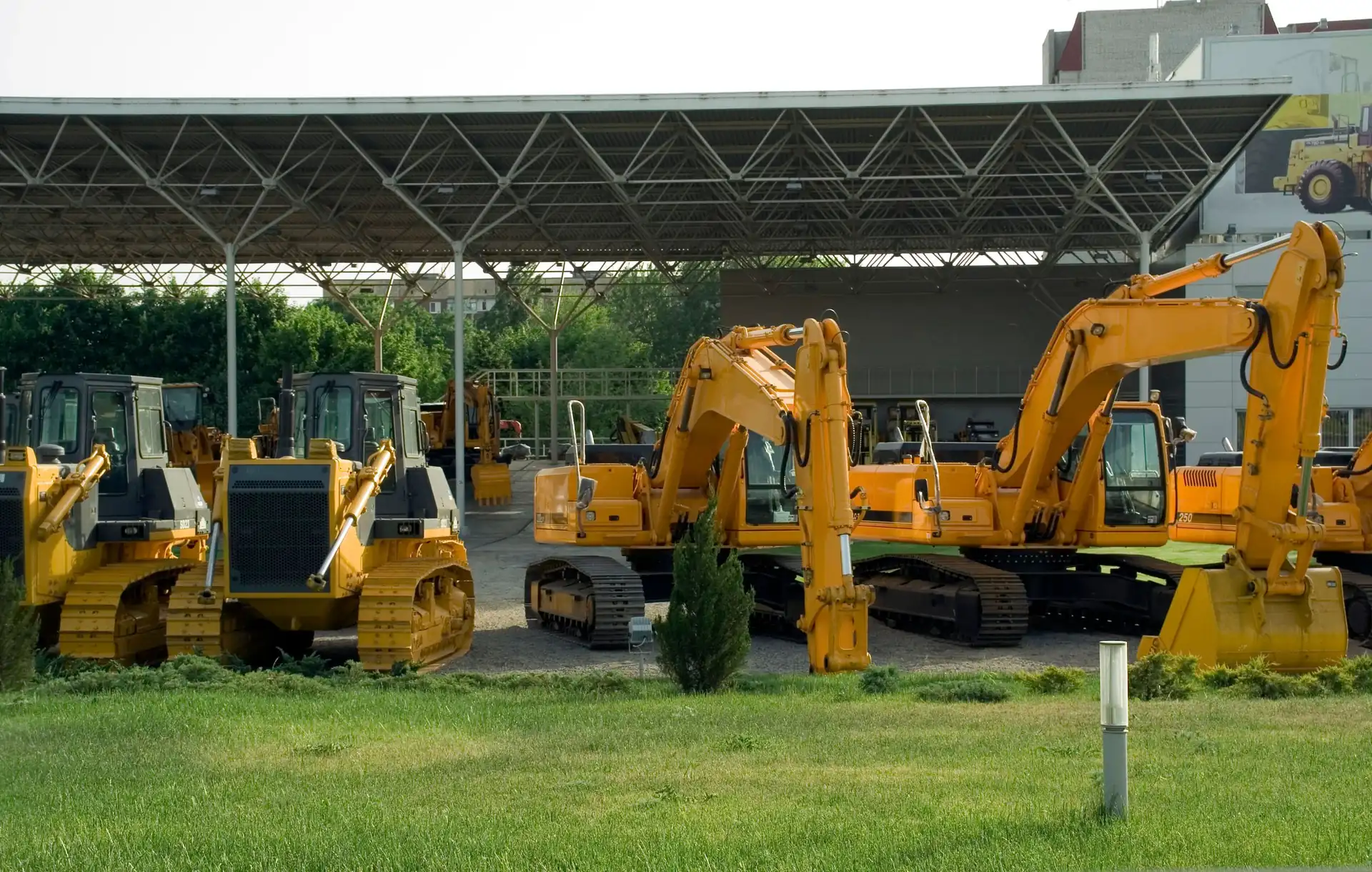
Wheeled and tracked tractors across the power range — from compact and utility machines to high-horsepower agricultural and industrial units: agricultural, municipal, construction and forestry tractors. Engine power class and undercarriage type are the primary classifiers from which comparables are selected.
Why a value guide is not a valuation
Much of what a search for "tractor values" returns are price guides and blue-book style listings built on North American auction data. For a tractor working in Ukraine they are a rough orientation at best: they reflect neither the Ukrainian market's price level nor the specific machine's hours, condition and configuration. An appraisal replaces the guide figure with evidence — comparables from the actual market where the machine would sell, adjusted for its verified condition — and produces a value a bank, lessor, auditor or court can rely on.
The tractor and its attachments
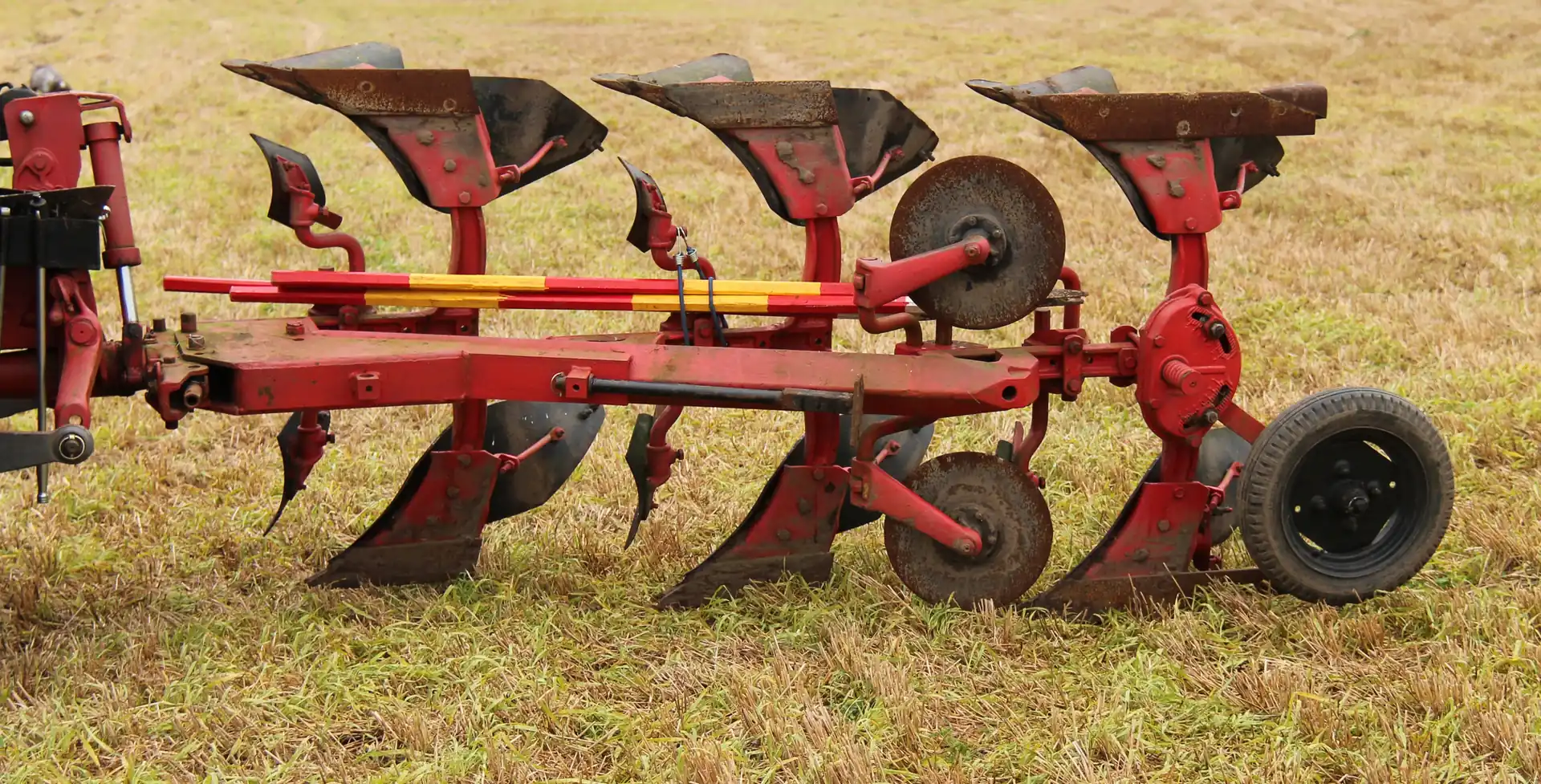
The tractor is appraised as the base machine. Mounted and trailed equipment — ploughs, cultivators, mowers, municipal blades, loader assemblies — carries its own value and is appraised separately or additionally, as agreed. The split matters: two identical tractors can differ in total package value purely because of the set and condition of their attachments, and merging the two positions produces a distorted result.
Value drivers of a tractor
- engine power and type — wheeled or tracked;
- operating hours (motor-hours) and year of manufacture;
- the condition of the engine, transmission, hydraulics and power take-off (PTO) shaft;
- the condition of the undercarriage — tyres and axles, or the track assembly;
- make and origin: modern machines from international manufacturers and domestic or Soviet-era tractors differ in price substantially;
- service history and any major overhauls.
Valuation approaches and inspection
The market (sales comparison) approach is the primary one for tractors of common makes: the mass, active secondary market lets value be derived from comparable sales adjusted for power, hours and condition. The cost approach applies to rare, new or specialized machines with insufficient comparables — reproduction or replacement cost less physical, functional and economic depreciation. The income approach is used in limited cases, when the tractor earns income within a business, for example in contract field operations. Physical inspection and identification is a mandatory stage under Ukrainian valuation law — hours, the engine, transmission, hydraulics, undercarriage and the attachment set are verified on site; for international clients we arrange the inspection at the machine's location and coordinate access with the operator. Reports follow Ukrainian statutory standards consistent with the International Valuation Standards (IVS) and can be issued in English. For the engagement we will need the technical passport, the machine's registration certificate, operating-hours data and, where available, the maintenance history.
Questions and answers
Are attachments included in the tractor's appraised value? Only if the engagement covers them. The base machine and its mounted or trailed equipment are valued as separate positions — that is what keeps the result accurate — and the client decides whether the attachments enter the scope.
Can you appraise an older domestic or Soviet-era tractor? Yes. These machines are still widely operated in Ukraine and have a live secondary market of their own, so they are appraised on their actual technical condition against real market comparables.
Does the wheeled or tracked type change the appraisal? It does. The two sit in somewhat different market niches with different undercarriages, so both the comparables pool and the wear factors differ: tracked machines are assessed on the condition and remaining life of the track assembly, wheeled ones on tyres and axles.
To commission a tractor appraisal or a valuation of a farm or municipal fleet in Ukraine, contact the Kanzas company at [email protected] — send the machine specifications, and we will assess the scope and agree the terms.
Related services: Fixed asset revaluation · War damage assessment